



















“Some cities build skyscrapers to impress you. Palm Springs just put all the cool on one level and added a swimming pool.”
In the mid‑1900s, Hollywood stars, ambitious architects, and the open desert all met here and shook hands on a new idea of how to live: low, glassy houses that slid open to the breeze, bold rooflines framing mountain views, and party‑ready pools that blurred the line between indoors and out. The result is Palm Springs’ signature mid‑century modern look, a desert playground where Liberace could go full chandeliers and mirrored pianos, Frank Sinatra could throw ice‑cube‑in‑the‑pool parties, and architects could treat shade, shadow, and sunrise like building materials.
What makes Palm Springs special is style. This is the capital of mid-century modern architecture, where clean lines, flat roofs, glass walls, and dramatic mountain backdrops form a visual language all their own. Desert minimalism meets Rat Pack glamour. Privacy gates hide legendary stories. Even the sunlight seems curated.
This Palm Springs Architecture self‑guided driving audio tour turns the city into your open‑air design museum, with GPS‑synced stories that chime in as you roll from the visitor center, once a futuristic gas station, to some of the most famous homes and neighborhoods in town. Your phone becomes the architecture nerd friend you wish you had in the passenger seat, pointing out the flat roofs, breeze‑block walls, and butterfly eaves while you just enjoy the sunshine and the mountain backdrop.
Mid-century icons anchor the experience. The legendary Kaufmann House stands as one of the purest examples of desert modernism, designed by Richard Neutra and still studied by architecture lovers worldwide. Glamour turns up at homes once owned by Elvis Presley, Marilyn Monroe, Debbie Reynolds, and Sammy Davis Jr., each address carrying a slice of Hollywood mythology. The former estate of Frank Sinatra, often called the Twin Palms house, recalls poolside parties and Rat Pack nights that shaped Palm Springs’ reputation.
Creative expression goes beyond sleek architecture. Installations like Robolights add eccentric desert flair, while the Palm Springs Walk of Stars celebrates entertainers, civic leaders, and icons who left their mark on the city. As the drive expands into the wider Coachella Valley, cultural stories shift from classic Hollywood to modern music festivals and desert reinvention.
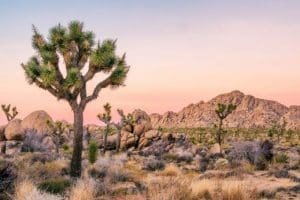
The lush Thousand Palms Oasis Preserve adds an unexpected layer to the desert story. Palm groves and freshwater springs thrive against a rugged, sunbaked landscape, revealing the quieter, more ancient side of the Coachella Valley. It is a reminder that Palm Springs has always been about contrast. Harsh terrain and refined design. Stark mountains and soft poolside afternoons. Bold modernism and hidden natural oases.
Taken together, this Palm Springs driving tour captures more than architecture. It reveals how sun, sand, celebrity, and modernism combined to create one of California’s most distinctive cities.
Friendly disclaimer: This tour may inspire strong opinions about flat roofs, sudden mid-century design cravings, and the urge to say “Darling” unironically. Sunglasses highly recommended.
Want all of our tours? Upgrade to Action+:
- An annual $99.99/year subscription offers access to over 200+ tours.
- Unlimited use throughout the year.
- Includes free access to new tours as they are released.
Know Before You Go
Nearby Tours
 Walking
 16+ Stories
 1 - 2 Hrs
 Walking
84 Stories
2 - 3 Hrs
Walking
84 Stories
2 - 3 Hrs
 Driving
70+ Stories
4 - 5 Hrs
Driving
70+ Stories
4 - 5 Hrs
 Driving
19 Stories
1 - 2 Hrs
Driving
19 Stories
1 - 2 Hrs
Palm Springs Map

Where To Start?
We recommend Starting From: Palm Springs Visitor Center, 2901 N Palm Canyon Dr, Palm Springs, CA 92262
How Does It Work?
- Once you book a tour, you’ll get a text/email with instructions.
- Download the app (while in good Wi-Fi/signal) and use your unique password to access your tours. If multiple versions or entry points are available for your tour, be sure to download all the audio guides.
- Audio Setup: Connect your phone to the car stereo via Bluetooth, USB, or Aux, and bring headphones on walking tours. CarPlay and Android Auto are currently not supported; we’re working toward a solution with Apple.
- To begin touring, go to the starting point and launch the app.
- The audio starts automatically once you reach the starting point. Stick to the tour route and speed limit for the best experience.
- Please note that no one will meet you at the starting point.
Palm Springs Audio Tour Stops
Things to do on the Tour Include:
-
Kaufmann House
-
Liberace House
-
Movie Stars of Yesteryear
-
The Movie Colony
-
Robolights
-
Frank Sinatra
-
The Rat Pack in Palm Springs
-
Walk of Stars
-
The Palm Trees of Palm Springs
-
Coachella Valley
-
Coachella Music Festival
-
Palm Springs Airport
-
Bob Hope
-
Frank Sinatra’s Tomb
-
Golfing in the Desert
-
Desert Life
-
The San Andreas Fault
-
Leaving Palm Springs
-
Desert Geology
-
Willis Palm Trail
-
Superblooms
-
Pushwalla Palms Trail
-
Thousand Palms Oasis Preserve
-
Confederate Burial Trench
-
Jones Field
-
Tennessee State Memorial
-
Julius Raith Monument
-
We Meet in Heaven
-
Johnston Meets His End
-
Tennessee State Memorial
-
Julius Raith Monument
-
We Meet in Heaven
-
Johnston Meets His End
-
Texas State Monument
-
Fall of the Hornet's Nest
-
Grant's Last Stand
-
Shiloh Indian Mounds
Preview The Tour
Tour FAQs
Palm Springs is special for its unique desert oasis setting, with stunning mountain backdrops, warm weather, mid-century modern architecture, and a relaxed, resort-like atmosphere.
Palm Springs gained fame in the mid-20th century when it became a glamorous escape for Hollywood celebrities, offering them privacy, luxury, and a desert retreat.
People visit Palm Springs for its beautiful landscapes, outdoor activities, golfing, shopping, dining, spa resorts, and the chance to experience the nostalgia of the mid-century modern era.
Palm Springs is a big deal due to its historical significance, celebrity culture, architectural heritage, and its role as a premier vacation destination in Southern California.
Palm Springs style is often associated with mid-century modern design, characterized by clean lines, sleek furnishings, and a focus on blending indoor and outdoor living spaces.
Yes, Palm Springs is considered a nice city known for its hospitality, stunning desert surroundings, and a wide range of leisure activities.
While Palm Springs offers a range of accommodations and dining options, it can be relatively expensive compared to some other destinations, especially during the peak tourist season.
The best time to visit Palm Springs is typically in the fall, winter, or early spring when the weather is pleasant and not extremely hot. Avoiding the scorching summer months is recommended.
A weekend or 2-3 days are often sufficient to explore the main attractions of Palm Springs, but you can easily spend more time enjoying the city’s offerings, especially if you want a more relaxed pace.
Explore 200+ Tours
Inclusions and Exclusions
 App on your phone: A link to download the Action Tour Guide App and Password for your tours.
Easy to use: Stories play automatically via GPS, hands‑free.
Flexible schedule: Use any day, any time. Tours are valid forever.
Interactive audio stories: Experience local history and culture through clear, concise narratives from experienced narrators.
At your own pace: No group. Take breaks for photos, snacks, hikes. Go at your own pace.
Offline use: No cell signal or Wi-Fi required. Offline GPS Map & route. Stop-to-stop direction.
Don’t miss a thing: Enjoy a full itinerary, get travel tips, hear narrated guides, and see hidden gems.
App on your phone: A link to download the Action Tour Guide App and Password for your tours.
Easy to use: Stories play automatically via GPS, hands‑free.
Flexible schedule: Use any day, any time. Tours are valid forever.
Interactive audio stories: Experience local history and culture through clear, concise narratives from experienced narrators.
At your own pace: No group. Take breaks for photos, snacks, hikes. Go at your own pace.
Offline use: No cell signal or Wi-Fi required. Offline GPS Map & route. Stop-to-stop direction.
Don’t miss a thing: Enjoy a full itinerary, get travel tips, hear narrated guides, and see hidden gems.
 Transportation, parking fees, food, and drinks.
Entry tickets or reservations for any attractions along the route.
Car Rental: Please arrange a rental car at the closest airport or train station.
Transportation, parking fees, food, and drinks.
Entry tickets or reservations for any attractions along the route.
Car Rental: Please arrange a rental car at the closest airport or train station.