In Big Cypress, the road, the water, and the wildlife all move on their own clock.
Big Cypress National Preserve unfolds on its own schedule. Water rises and falls. Wildlife follows it. Roads feel different depending on the month and even the hour. Choosing the best time to visit Big Cypress shapes comfort, visibility, and how present the landscape feels as you drive through it.
This guide lays out the seasons clearly so you can decide when Big Cypress fits you best.
Quick Answer: When Should You Go?
Best overall: November to April (dry season), with peak comfort and wildlife viewing from December to March
Best balance: February to early March for dry conditions with fewer peak season crowds
Least ideal for comfort: June to September due to heat, heavy rain, and mosquitoes
Destination Overview
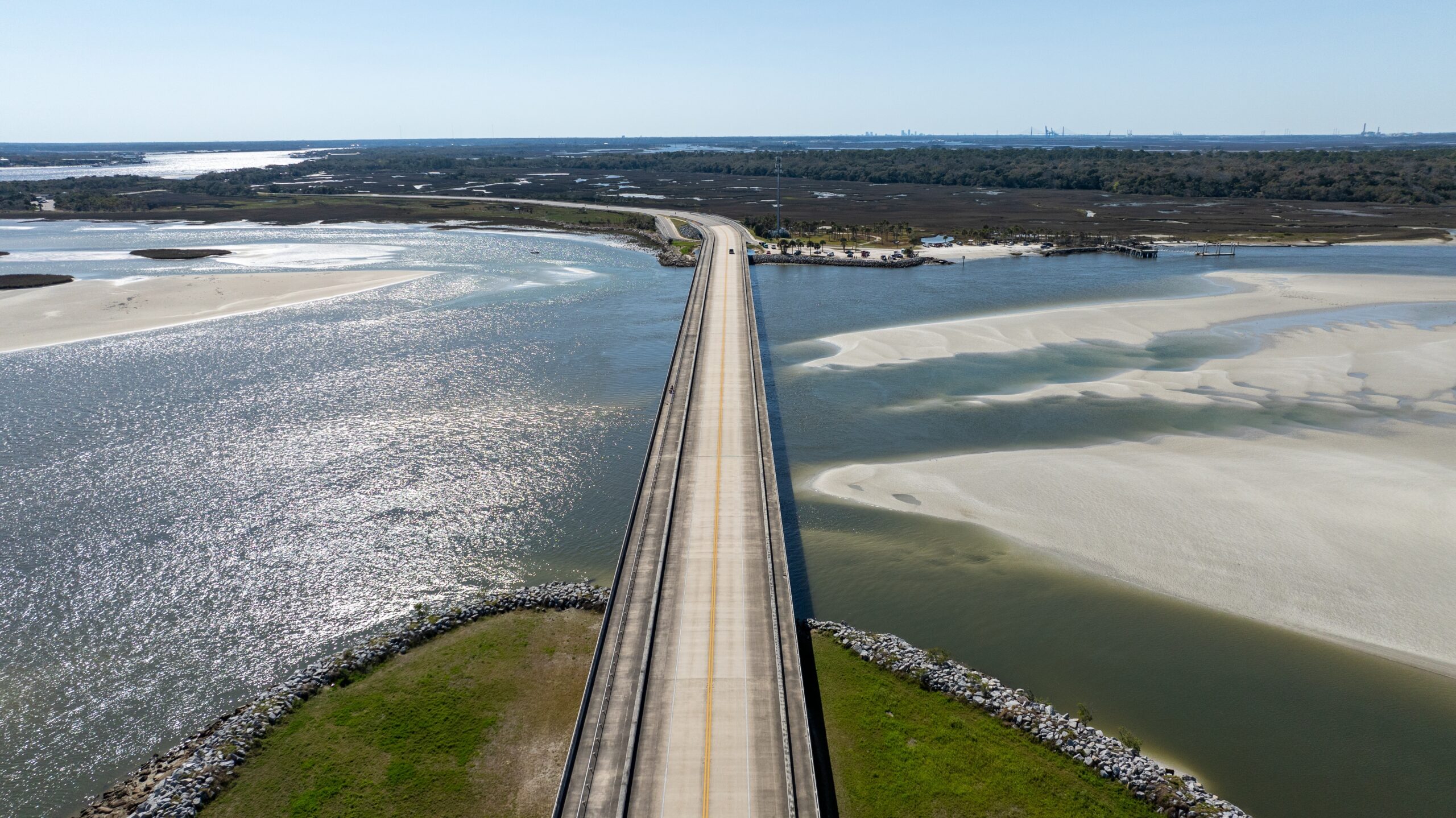
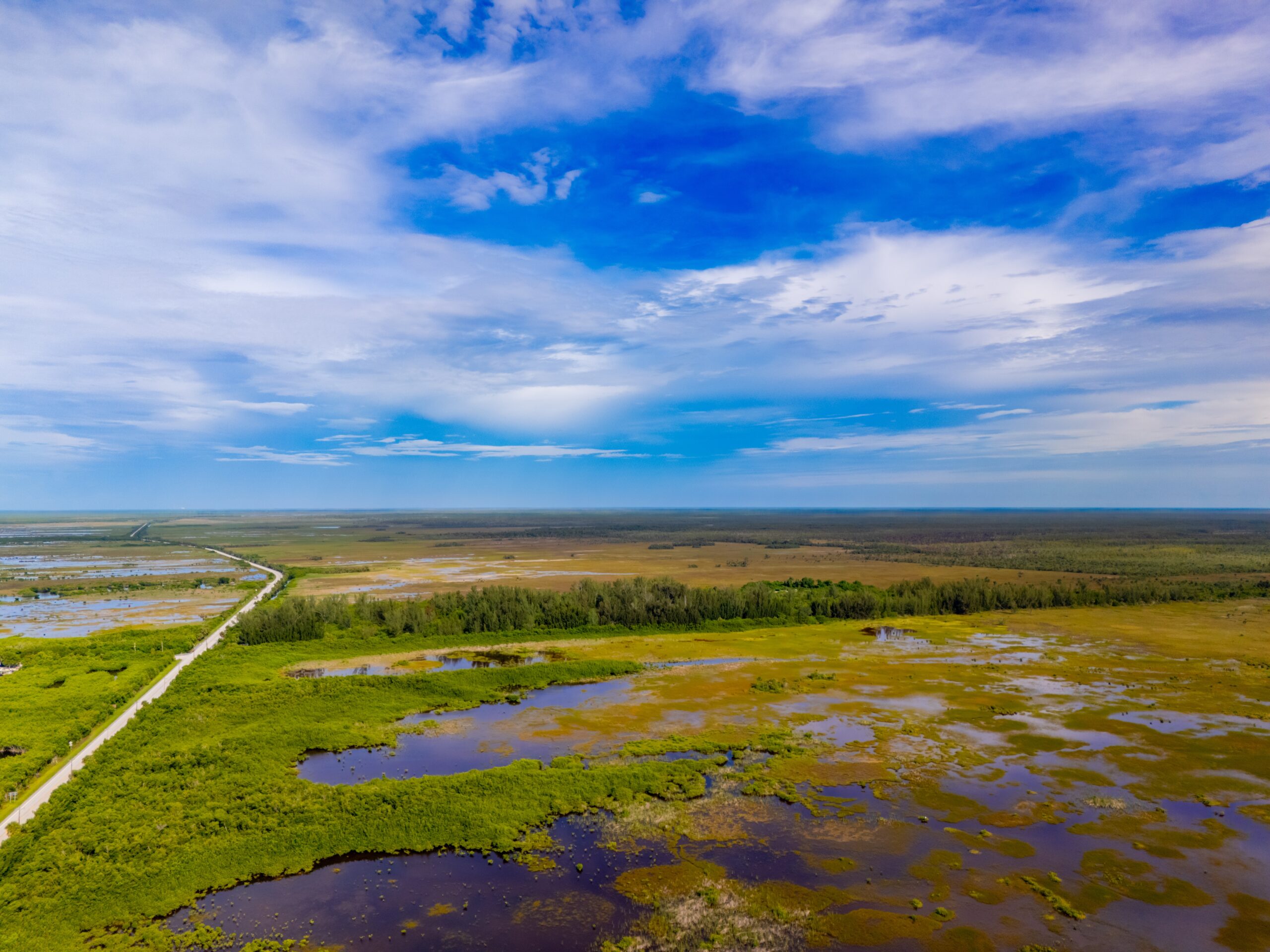
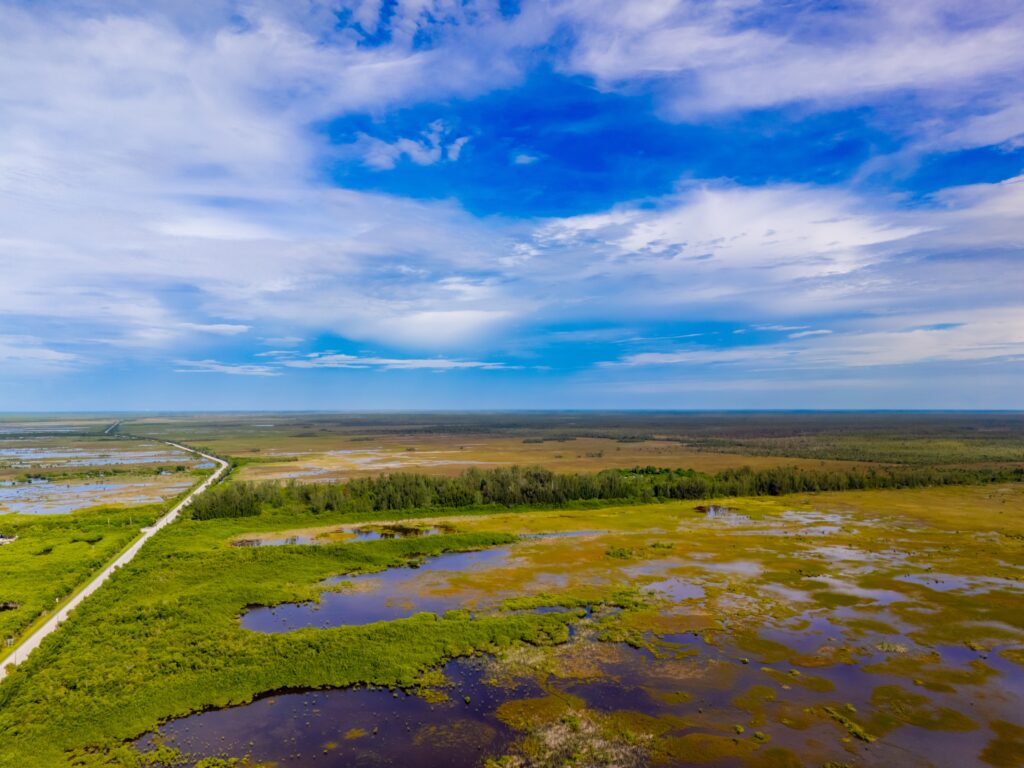
Big Cypress National Preserve sits just north of the Everglades, but it feels wilder and less managed. Cypress domes rise from dark water. Pine flatwoods stretch wide. Roads cut directly through wetlands, with little separation between you and the land.
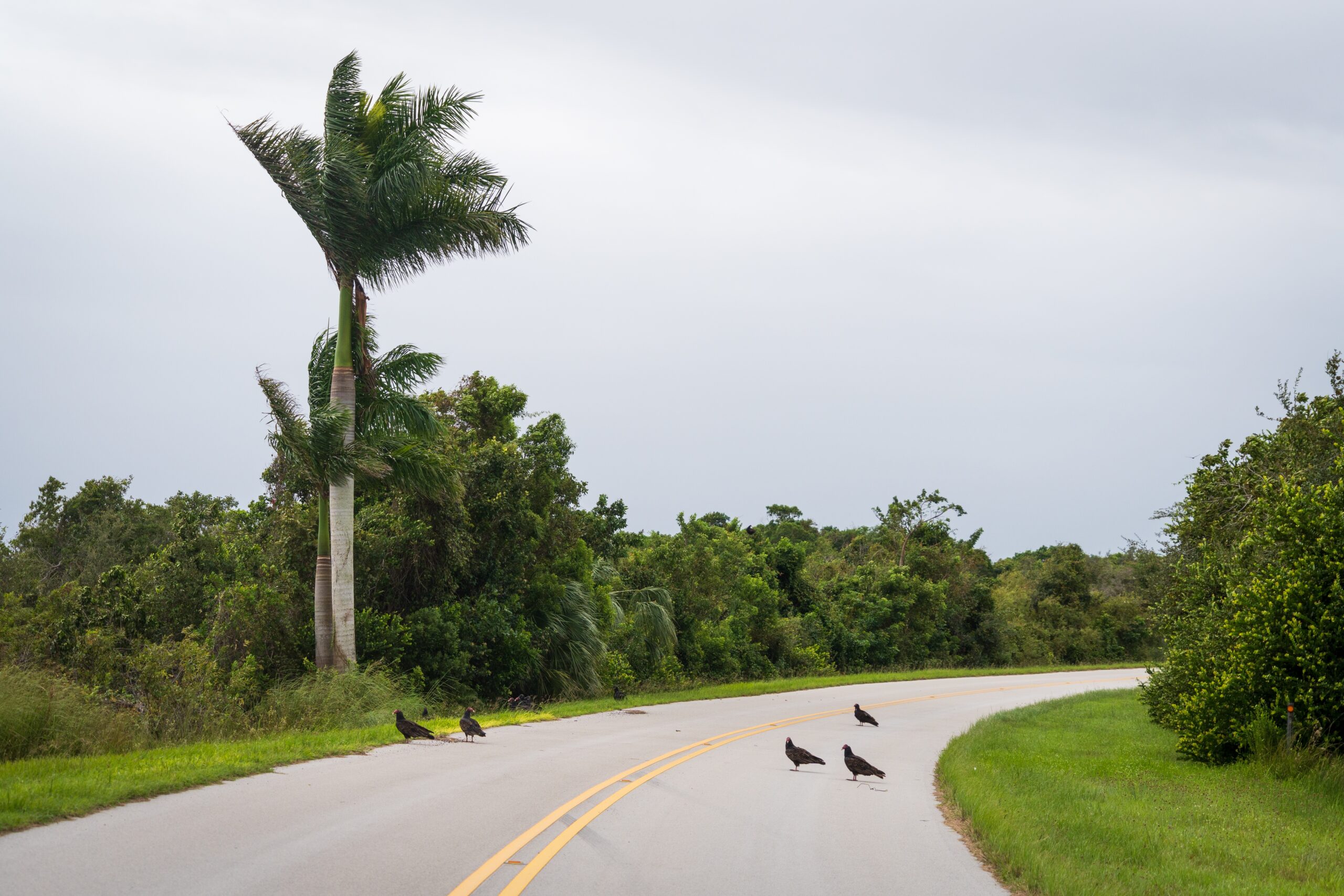
Here, timing matters because water depth controls what you see. When water drops, wildlife gathers near ponds, canals, and roadside wetlands, often along routes like Loop Road and Turner River Road. When the rains return, the preserve becomes lush and expansive, but also more demanding to experience comfortably.
How Seasons Shape Big Cypress
Big Cypress generally sees a rainy season from May through October and a drier season from roughly November through April. These shifts change water levels, mosquito activity, wildlife visibility, and how practical it feels to stop often along the route.
Dry months concentrate life near visible water. Rainy months spread it across the landscape.
Dry Season vs Rainy Season at a Glance
Dry season (November to April):
- Cooler temperatures
- Fewer mosquitoes
- Wildlife is more concentrated near canals and ponds
Rainy season (May to October):
- Heat and humidity
- Frequent afternoon storms
- Wildlife is more dispersed across flooded areas
Winter (December to February)
Winter is the most comfortable and predictable season to visit.
- Lower water levels bring birds, alligators, and mammals closer to canals and roadside wetlands
- Cooler air makes long drives and frequent stops easy
- Mosquito activity drops significantly
This is the best time for wildlife viewing, especially along Loop Road, where movement near water is easier to spot from pullouts.
Spring (March to April)
Spring marks a gradual shift toward heat and humidity.
- Wildlife activity remains strong early in the season
- Bugs begin to increase by late spring
- Afternoon heat becomes more noticeable
March often feels like an extension of winter. By April, planning shorter stops and carrying insect repellent becomes important.
Summer (May to September)
Summer is defined by water, heat, and changing skies.
- Frequent rain raises water levels and disperses wildlife
- Afternoon thunderstorms build quickly
- Heat and humidity dominate midday hours
Animals remain present, but sightings are less predictable as water spreads across the preserve. Early morning drives are essential during this season, particularly along exposed stretches of road.
Fall (October to November)
Fall brings gradual relief.
- Rain tapers off, and humidity begins to ease
- Wildlife slowly becomes easier to spot near receding water
- Visitor numbers remain low
October feels transitional. November often signals the return of drier air and more comfortable pacing.
Choosing the Right Season for You
- Choose the dry season if comfort and wildlife visibility matter most
- Choose early spring for balance with fewer visitors
- Choose the rainy season if you enjoy lush scenery and shifting skies
- Choose fall for open roads and a slower, less crowded feel
Big Cypress rewards patience. The right season depends on how much heat, rain, and unpredictability you enjoy.
Best Time of Day to Drive
Early morning is usually the most comfortable time to drive and often the best for wildlife activity, especially as animals move near canals and roadside wetlands. If you are visiting in warmer months, plan your longest drive segments early, then keep midday stops shorter.
Safety and Comfort: Drive Smart in Big Cypress
- Carry water and sun protection in all seasons
- Use insect repellent, especially near dawn and dusk
- After heavy rains, expect standing water in low areas, and adjust your pace
- Observe wildlife from a safe distance and never feed animals
These habits help keep the drive comfortable and respectful of the preserve.
Check Conditions Before You Drive
Conditions in Big Cypress can change. Alerts may include flooding-related access issues, temporary area closures, or prescribed fire activity. Before you go, check current Big Cypress alerts and conditions so you can adjust plans if needed.
How the Drive Comes to Life Along the Way
As you follow the route, the Action Tour Guide narration begins automatically at key locations. Stories about ecology, wildlife, and land use arrive right where they matter.
During the dry season, visitors tend to stop more often to watch wildlife near canals and wetlands. Offline GPS audio is especially useful here, since cell service can drop across large sections of the preserve. Pause when something catches your eye and resume when you are ready.
Month by Month Snapshot (Dry Season Focus)
- November: Dry season begins, cooler air returns, strong shoulder season timing
- December: Comfortable days with improving wildlife visibility
- January: Cool, dry, and excellent for extended drives
- February: Strong wildlife activity and easy pacing
- March: Warmer days with fewer peak crowds
- April: Hotter afternoons and rising insect presence
A Unique Big Cypress Moment
Winter nights in Big Cypress can be remarkably dark. With little light pollution, clear evenings offer quiet stargazing that feels far removed from nearby cities.
Conclusion
Big Cypress National Preserve changes with the seasons, and each visit tells a different story. Timing shapes how visible the wildlife feels, how comfortable the drive becomes, and how long you want to linger along the road.
Download the app from the App Store or Google Play and experience Big Cypress with audio narration that adapts to your pace. Drive slowly, stop often, and let the season guide what you notice.
No matter when you go, Big Cypress rewards those who slow down. The season sets the stage, but the experience unfolds one quiet mile at a time.
FAQs