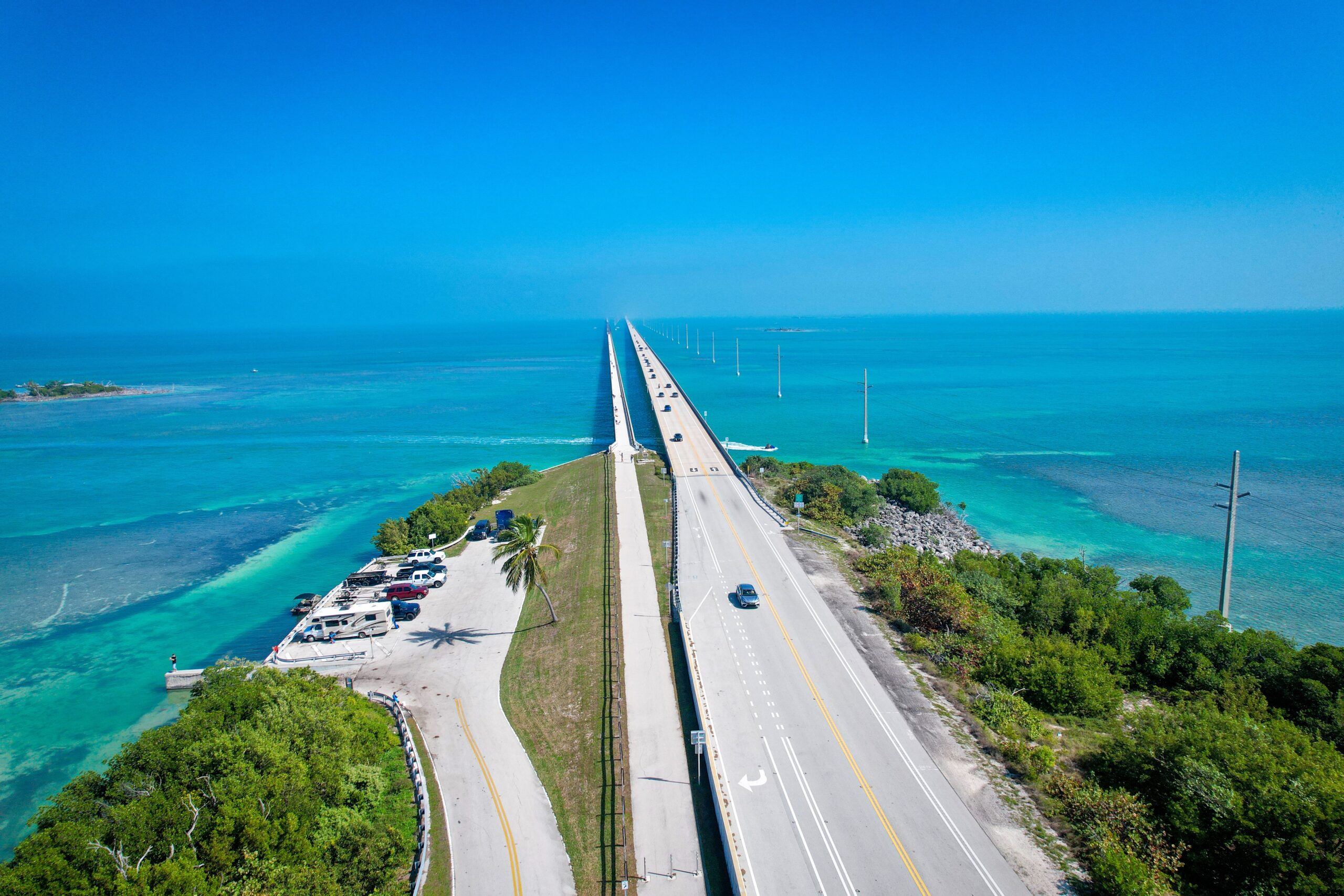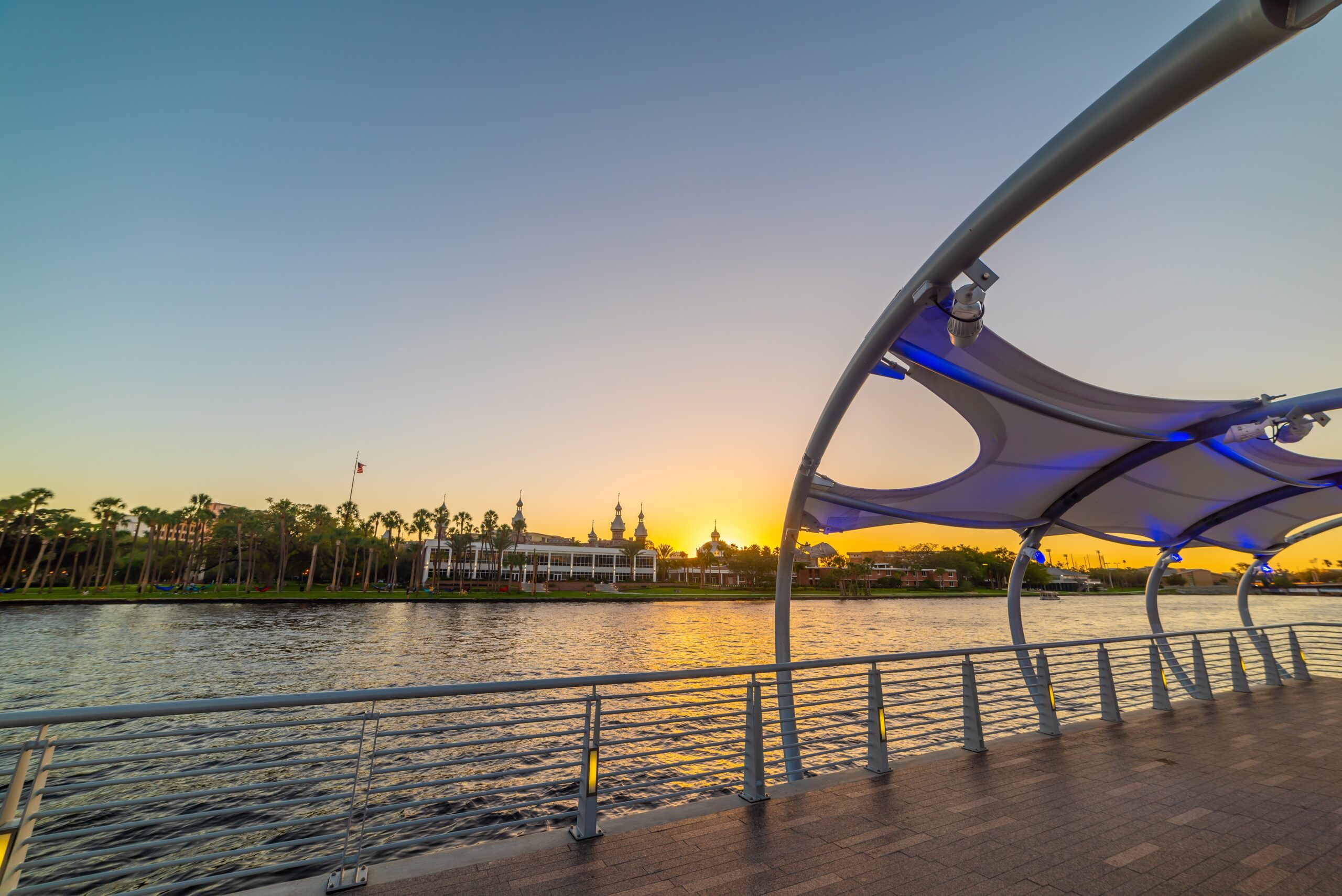
Florida does not have one season. It has moods.
The state stretches far enough north to feel temperate in winter and far enough south to feel tropical year-round. Coastlines behave differently from inland wetlands. Springs, beaches, historic cities, and scenic highways all respond to weather in their own ways.
This guide helps you understand when Florida is most comfortable for a self-guided driving trip, how seasons affect road conditions and wildlife, and how to choose the right timing for the experiences included in the Florida driving tours bundle.
Quick Answer: When Is the Best Time Overall?
- Best overall: November to April, Florida’s drier season, with the most comfortable temperatures for driving and stopping
- Best balance: March to early April, warm days, lower humidity, fewer winter cold fronts
- Least comfortable for most travelers: June through September, due to heat, humidity, storms, and mosquitoes
That said, every season offers something different depending on what you want to see and how you like to travel.
Destination Overview: How Florida’s Seasons Shape the Drive
Florida’s driving experience changes more with weather and water than with distance. A scenic route in winter can feel open and breezy. The same road in summer can feel lush, intense, and slower-paced.
Because this bundle spans multiple regions, from coastal highways to inland parks and historic towns, seasonality affects:
- Comfort during stops
- Wildlife visibility
- Traffic and crowd patterns
- How often you want to pause versus keep moving
Understanding these shifts helps you plan a smoother, more enjoyable road trip.
Understanding Florida’s Two Main Seasons
Florida generally follows a clear seasonal pattern.
- Dry season: November through April
Cooler temperatures, lower humidity, clearer skies - Rainy season: May through October
Hotter days, higher humidity, frequent afternoon storms
These seasons influence everything from wildlife behavior to how long you want to be outside your vehicle.
Winter (December to February): Comfortable and Clear
Winter is the most popular time for Florida road trips, and for good reason.
What it’s like:
- Mild daytime temperatures
- Low humidity
- Clear visibility along scenic routes
Why it works well for driving:
- You’ll want to stop more often without heat fatigue
- Wildlife is easier to spot near water sources
- Walking segments feel more comfortable
Trade-offs:
- Higher visitor numbers in popular areas
- Earlier starts help avoid crowds
Winter is ideal if comfort and flexibility matter most.
Spring (March to Early May): Warm and Transitional
Spring is often a sweet spot for travelers who want warmth without full summer intensity.
What it’s like:
- Warmer days, especially by April
- Gradually increasing humidity
- Wildflowers and active landscapes in some regions
Why it works well:
- Long daylight hours for driving
- Still comfortable for outdoor stops
- Fewer cold fronts than winter
Things to plan for:
- Rising mosquito activity by late spring
- Midday heat becoming noticeable
Early spring in particular offers a strong balance between comfort and energy.
Summer (June to September): Lush but Demanding
Summer shows Florida at its most intense.
What it’s like:
- High heat and humidity
- Frequent afternoon thunderstorms
- Thick vegetation and full wetlands
Why some travelers still choose it:
- Fewer crowds in some areas
- Dramatic skies and vibrant landscapes
- Active wildlife in water-rich environments
How to drive smarter in summer:
- Start early in the day
- Plan shorter stops
- Use shaded pull-offs and air-conditioned breaks
- Expect storms and adjust pacing
Summer works best for travelers who are heat-tolerant and flexible.
Fall (October to November): Calmer and Resetting
Fall acts as a reset between extremes.
What it’s like:
- Gradually cooling temperatures
- Fewer daily storms by late October
- Quieter roads after peak summer
Why it’s appealing:
- Easier driving conditions
- More relaxed pacing
- Shoulder-season balance
Things to note:
- Early fall can still feel like summer
- Checking local conditions remains important
Late fall, especially November, often marks the return of ideal driving weather.
Choosing the Right Season for You
Your ideal timing depends on what you value most.
- Prefer comfort and frequent stops? Choose winter or early spring
- Want warmth with fewer crowds? Aim for late spring or fall
- Comfortable with heat and storms? Summer offers a different side of Florida
There’s no single “correct” season, only the one that fits your travel style.
Best Time of Day to Drive in Florida
Regardless of season, timing matters.
- Early morning is usually the most comfortable
- Midday heat builds quickly outside winter
- Afternoon storms are common in rainy season
- Late afternoons bring heavier traffic in cities
Planning your longest drives earlier in the day improves comfort and flexibility.
Safety and Comfort Tips for Florida Road Trips
A few simple habits make a big difference.
- Carry water and sun protection year-round
- Use insect repellent, especially near wetlands
- If thunder is present, move back to your vehicle
- Observe wildlife from a distance and never feed animals
Florida rewards patience and awareness.
Check Conditions Before You Drive
Conditions can change due to:
- Roadwork on scenic highways
- Temporary area closures
- Flooding in low-lying areas
- Prescribed fire activity in parks
Before setting out, check local alerts and park or roadway updates so you can adjust your route if needed.
How the Audio Tour Fits Seasonal Travel
Seasonal timing affects how you use the tour.
In cooler months, you may stop more often and spend longer outside your vehicle. In hotter months, shorter stops and smoother pacing matter more.
Because the tours work offline after download and play automatically based on your location, you can focus on driving and scenery even when cell service drops or weather changes your plans.
Pause when conditions demand it, resume when you’re ready, and let the route guide the day.
Conclusion: When Should You Go?
Florida does not ask you to visit at a perfect moment. It asks you to visit prepared.
Knowing how seasons affect comfort, wildlife, and driving conditions helps you shape a road trip that feels enjoyable rather than exhausting.
Choose your timing, download the tour from the App Store or Google Play, and let Florida unfold at a pace that works for you. Experience Florida’s scenic drives with Action Tour Guide, designed to adapt naturally to seasonal conditions and your travel rhythm.
FAQs