A cold morning in the hottest place
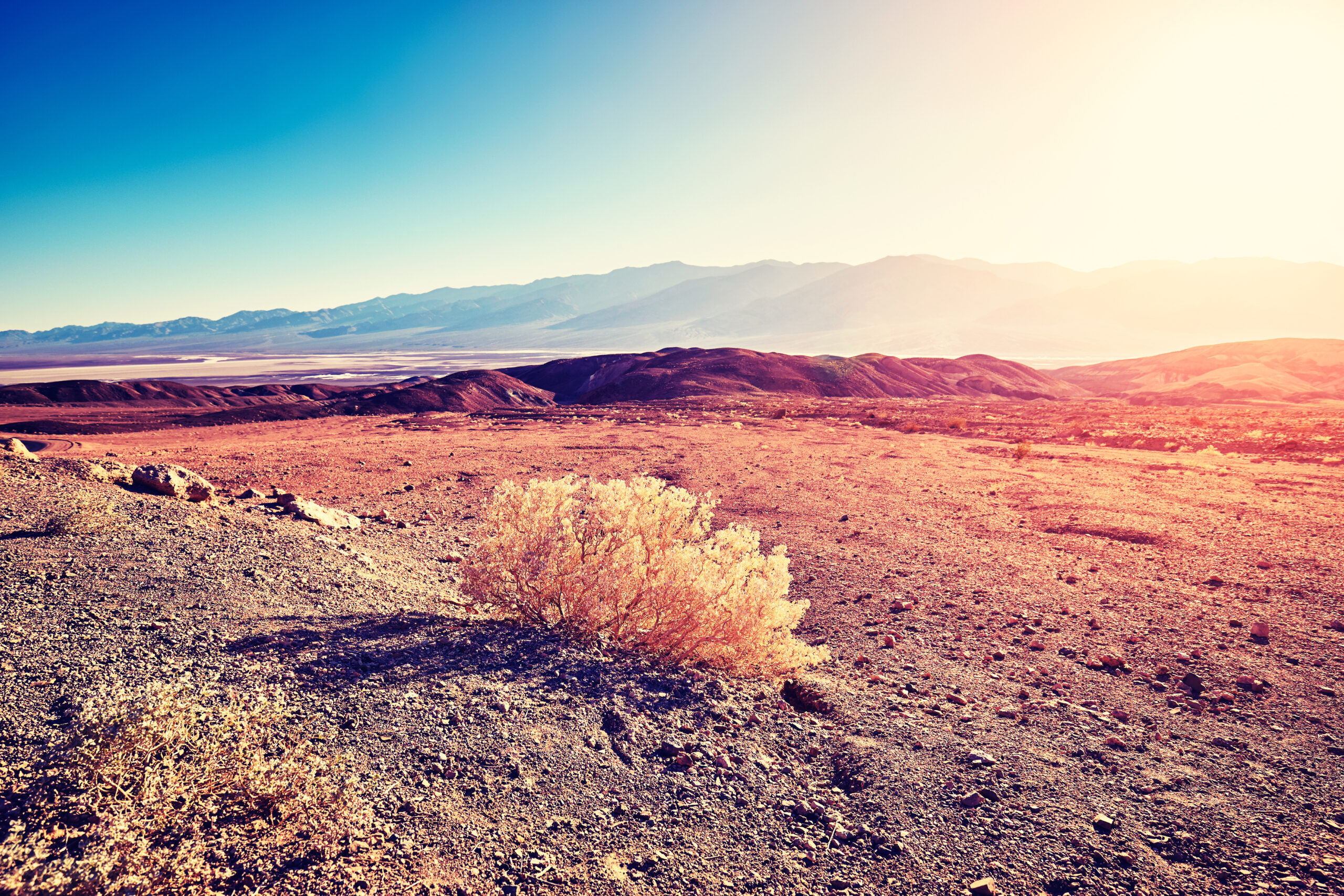
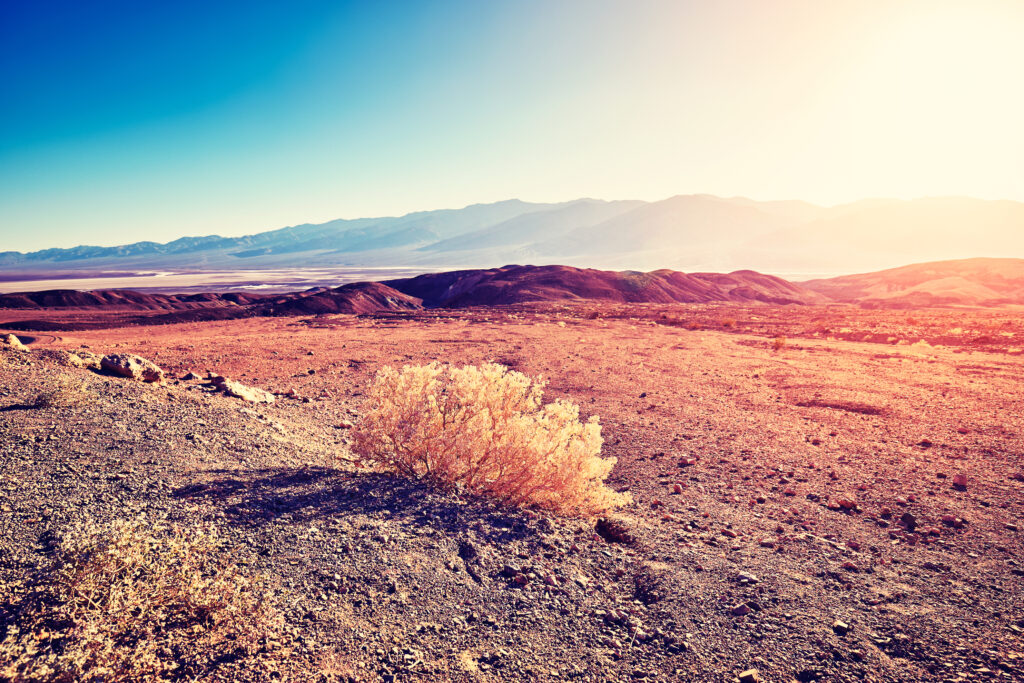
As the sun rises over the vast desert, sunlight illuminates the surrounding mountains. They shift from dark purples to a warm brown. Shadows stretch across the valley along with emerald desert plants, vibrant wildflowers, and fresh grass. There’s a gentle, crisp breeze. Silence engulfs the land, occasionally broken by a distant bird’s call.
This is what Death Valley feels like in the winter. Unlike in the sweltering summer, daytime winter temperatures in Death Valley are mild and pleasant. Since the weather is cooler, wildlife is out and about, exploring the flora that only pops up during this cooler time.
The best way to explore Death Valley in the winter is with Action Tour Guide’s self-guided driving tour. With this tour, you can start, stop, and pause whenever you like while also seeing all that Death Valley has to offer.
Why winter changes everything here
While visiting Death Valley in the summer means battling the oppressive heat, visiting Death Valley in the winter feels refreshing.
Lower temperatures: Mornings can feel brisk, and the desert has a quiet stillness. As the day goes on, the temperature rises gently rather than shoots up.
Less crowded: The most popular months to visit Death Valley are in the early spring, when the wildflowers bloom. Fewer people visit in December, January, and February, so the park feels more relaxed.
Great hiking: Since the weather is much cooler, wintertime is the perfect time to go hiking in Death Valley.
The kind of day you’re about to have
You’ll begin your journey through Death Valley early in the morning. As you continue to drive, you’ll reach Dante’s View. Towering over 5,000 feet, Dante’s View has some of the most dramatic views in the park. From here, you’ll see beautiful views of the valley floor, salt flats, and the surrounding, epic mountains.
Your next stop will be Zabriskie Point. At this short stop, you’ll marvel at the eroded badlands, where vibrant yellows, reds, browns, and golds shimmer in the sunlight. Just a little further ahead is Golden Canyon and Red Cathedral Trail, where you’ll explore the badlands on foot.
Throughout your day, you’ll see amazing views, colorful badlands, salt flats, and wild fauna. It will be a day of wow!
The drive
With the self-guided audio tour, you’ll get to experience all that Death Valley has to offer, without any of the hassle.
When you set out in the morning, you’ll first encounter panoramic views of the valley and the iconic, colorful badlands. The badlands look unlike anywhere else. They are truly unreal in their beauty.
As you continue your drive, you’ll reach Artist’s Drive & Artist’s Palette. Along this 9-mile scenic route, you’ll see volcanic hills and sediments. A little further along is the bizarre Devil’s Golf Course. These jagged, unique salt crystals appear to be from another planet. The name itself is inspired by the idea that only the devil could play golf here.
Around sunset, you’ll reach Badwater Basin. The lowest point in North America, Badwater Basin, is a vast salt flat that, when the sun hits it, creates striking, white, geometric patterns. At sunset, the golden light strikes the salt just right, making for incredible pictures.
Small detours that feel like secret doors
Throughout Death Valley, there are plenty of detours to take. Here are a few:
Easy walks:
Zabriskie Point Walk: Zabriskie Point offers stunning panoramic views of the surrounding valley and badlands.
Harmony Borax Works: Walk along this flat, dirt path to explore historic mining areas.
Photography:
Dante’s View: Best seen at sunrise or sunset, Dante’s View is the perfect spot to take panoramic pictures of the valley.
Twenty Mule Team Canyon: Along this beautiful, unpaved road are colorful, eroded badlands. In the morning light, the badlands become highlighted and shadowed, making for unique pictures.
Unique geology:
Natural Bridge Trail: Made out of conglomerate, a sedimentary rock composed of rounded pebbles cemented together, Natural Bridge overlooks a stunning canyon.
A few things people don’t tell you (but matter)
Certain roads may be closed due to flooding. Be sure to check for real-time road conditions on the official Death Valley National Park website before heading out.
South Badwater Basin: This road is closed due to flooding.
Artist Drive: This road is not accessible by foot or by bike; it is only accessible by car.
Bonnie Clare Road & Scotty’s Castle: There is no access to these areas due to flooding.
It’s important to check current road conditions before setting out in Death Valley. You can check for these
How the audio tour fits: With the audio tour, you’ll know where to go, the stories behind the stops, and how to see it all. You can start, stop, and pause the tour whenever you like, so you get to explore at your very own pace.
The “leave with this feeling” ending
Seeing Death Valley in the winter feels otherworldly. The stretching shadows, the vibrant badlands, and the salt crystals will stick with you long after you leave the park. To ensure you see it all, purchase the audio tour.