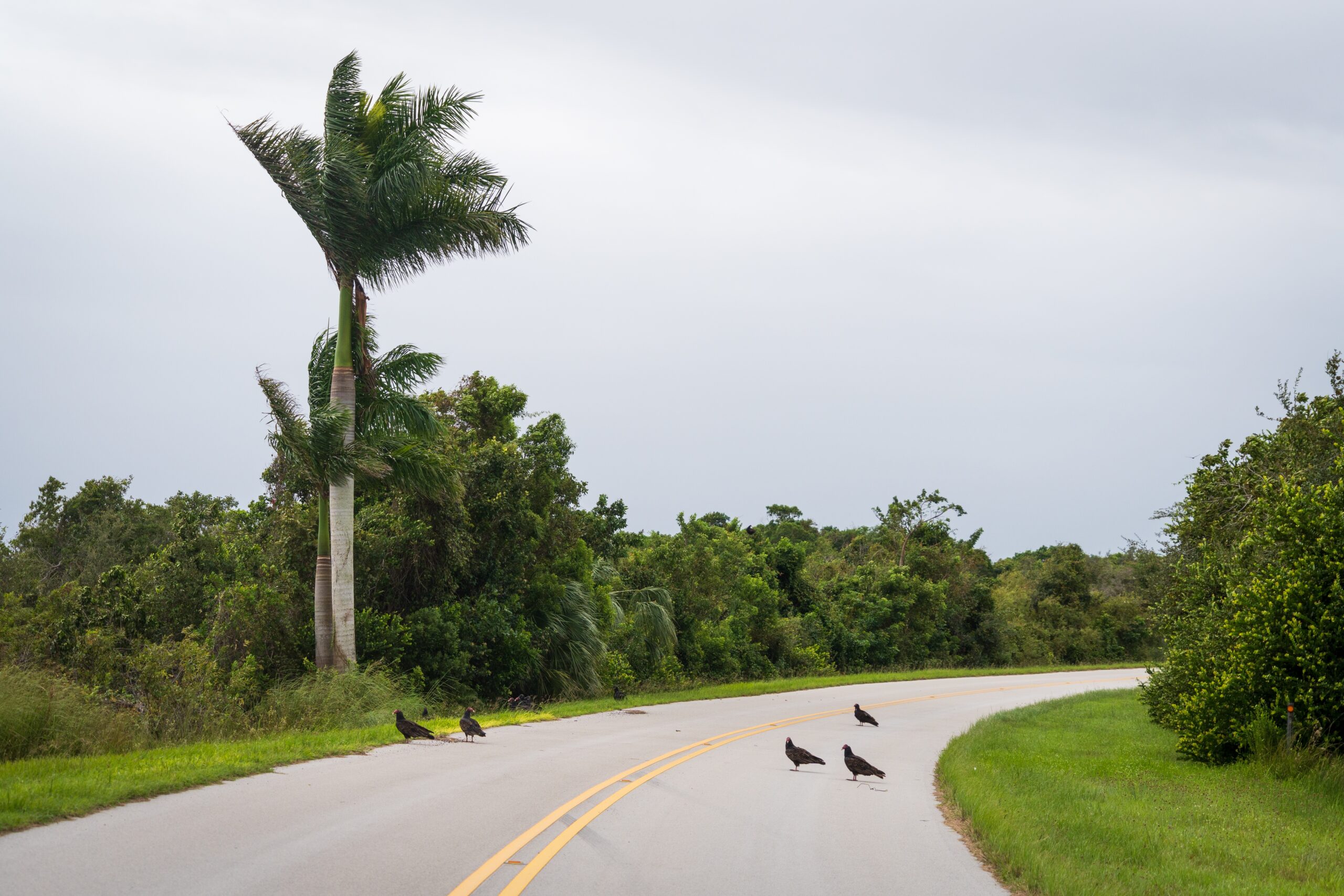
The Everglades reward timing more than speed. Water levels shift. Wildlife follows patterns shaped by rain and heat. Even the sounds around you change with the season. Knowing when to visit the Florida Everglades helps you decide not just how comfortable the drive will be, but what kind of experience you will carry home.
This guide focuses on when the Everglades feel most open, most active, and most manageable, especially for a self-guided driving experience.
Quick Answer: When Should You Go?
Best overall: December to April for cooler temperatures and strong wildlife visibility
Best balance: March to early April for warmth without peak winter crowds
Least ideal for comfort: Mid-May to November due to heat, storms, and mosquitoes
Destination Overview
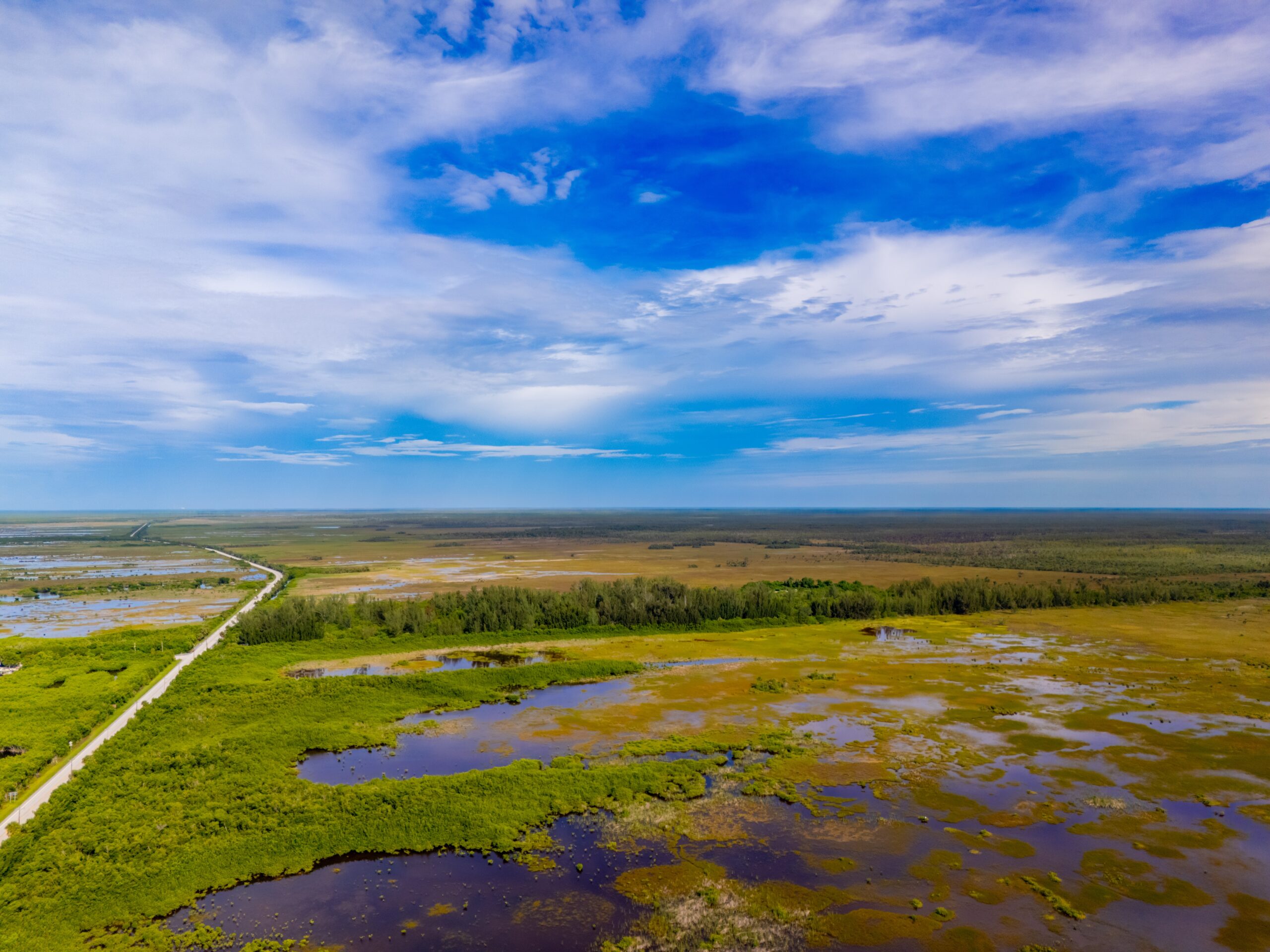
The Florida Everglades stretch across a vast subtropical wetland where sawgrass, water, and sky blend into a single horizon. This is a place defined by movement rather than monuments. Birds lift suddenly from canals. Alligators surface, then disappear again. The land feels quiet, but it is never still.
Driving through the Everglades is an exercise in awareness. Timing matters because seasons shape water levels, wildlife behavior, and how long you will want to linger at roadside pullouts.
How Seasons Shape the Everglades Experience
The Everglades operate on two broad cycles: dry season and wet season. These cycles influence where animals gather, how intense the heat feels, and how predictable the weather becomes. Understanding these patterns helps you choose a season that fits your expectations and energy level.
Winter (December to February)
Winter is the most comfortable and popular time to visit.
- Cooler, drier air makes long drives pleasant
- Lower water levels concentrate birds and alligators near canals
- Mosquito activity drops significantly
This is the best season for wildlife viewing, especially wading birds near roadside waterways. It is also peak season, so starting early in the day helps avoid crowds at popular pullouts.
Spring (March to April)
Spring acts as a transition and often feels like a sweet spot.
- Days grow warmer but humidity remains manageable
- Wildlife activity stays strong before heavy rains return
- Visitor numbers ease slightly after winter
Spring is ideal if you want a balance of comfort and openness. Roads feel less busy, and you can take your time stopping without feeling rushed.
Summer (May to September)
Summer brings intensity and atmosphere.
- Heat and humidity rise quickly, especially midday
- Afternoon thunderstorms are common
- Water spreads across the wetlands, dispersing wildlife
Early morning drives work best in summer. Storm clouds build fast, so flexibility matters. The landscape turns lush and green, and dramatic skies often become part of the experience.
Fall (October to November)
Fall signals gradual relief.
- Rainfall begins to taper off
- Temperatures slowly cool
- Visitor numbers remain low
Fall visits feel quieter and more spacious. Wildlife is less concentrated than in winter, but the overall atmosphere is calm, making it a good time for reflective drives.
Choosing the Right Season for You
- Choose winter if wildlife viewing and comfort matter most
- Choose spring for balance and fewer crowds
- Choose summer if you enjoy dramatic weather and vivid landscapes
- Choose fall for open roads and a slower pace
The right season depends on whether you want clarity, energy, or calm.
Safety and Comfort: Drive Smart in the Everglades
- Carry water and sun protection in all seasons, especially outside winter
- Use insect repellent and consider long sleeves near dawn and dusk
- During thunderstorms, return to your vehicle and avoid exposed areas
- Observe wildlife from a distance and never feed animals
These simple habits make the drive safer and more enjoyable.
Check Conditions Before You Drive
Roadwork, weather, and temporary closures can affect routes, especially along US 41 and surrounding areas. Before your visit, check current Everglades alerts and conditions so you can adjust plans if needed.
How the Drive Comes to Life Along the Way
As you follow the driving route, the Action Tour Guide narration begins automatically at key locations. Stories about ecology, wildlife, and history arrive exactly where they matter, adding context without pulling your attention away from the road.
The dry season is also when most visitors stop more often. Offline GPS audio is especially useful here, since cell service can drop just as something catches your eye. You can pause, explore, and resume whenever you are ready.
Month by Month Snapshot
- February: Coolest conditions and excellent wildlife visibility
- March: Warmer days with strong viewing and manageable crowds
- April: Heat increases and bugs begin to rise
- May: Rising heat, increasing storms, and fewer crowds before peak summer
- June: Lush landscapes and frequent afternoon storms
- October: Quieter roads with easing humidity
Conclusion
The Florida Everglades change with the seasons, and each visit tells a slightly different story. Timing your drive helps you meet this landscape on terms that match your comfort, curiosity, and patience.
Download the app from the App Store or Google Play and experience the Everglades with audio narration that moves as deliberately as the land itself. Drive slowly, stop often, and let the season shape what you notice.