
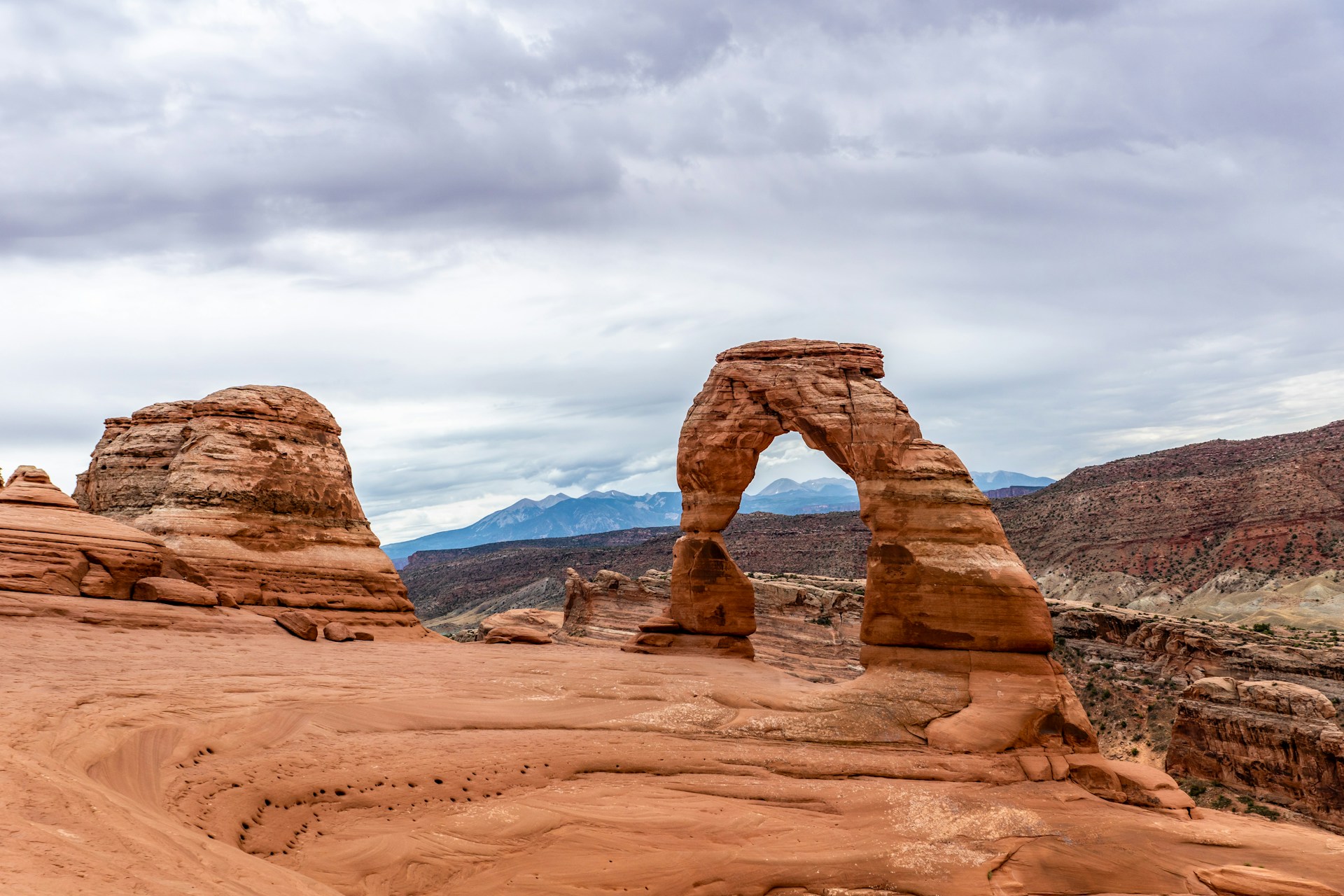
Self-guided audio tours are changing how many of us experience U.S. national parks. Instead of being tied to a group timetable or racing between viewpoints with no real context, we can now drive or walk at our own pace while a guided story quietly runs in the background. For independent travelers who value flexibility, this is a simple way to get both freedom and depth from a visit.
At Action Tour Guide, we create app-based, GPS-triggered audio tours that turn an ordinary park drive into a curated experience. As you follow the road, the app plays commentary exactly where it is relevant, so the landscape around you comes alive with stories, tips, and local insight. In this article, we will explain what self-guided audio tours are, how they work in national parks, the benefits they offer, and how to plan your first outing with confidence.

What Self-Guided Audio Tours Actually Are
A self-guided audio tour is an app on your phone that talks you through a route without a live guide standing in front of you. Instead of following a flag at the front of a tour group, you follow a digital map, and the commentary plays through your speakers or headphones. In national parks, this usually means a driving tour that follows the main scenic roads, or shorter walking tours around key areas.
These tours are built around GPS-triggered audio. As you approach a specific point of interest, the right story, explanation, or tip plays automatically. A typical self-guided tour with Action Tour Guide includes:
• Turn-by-turn directions for the route
• Offline maps that work without mobile data
• Audio stories about geology, wildlife and history
• Practical suggestions for viewpoints, hikes and facilities
• Extra tidbits you can listen to when you stop
The main difference from a traditional guided tour is control. There is no live guide, no fixed start time, and no large group to keep up with. You still get professionally written and recorded commentary, but you decide how slowly or quickly to move, and what to repeat or skip.
How GPS-Audio Tours Work in National Parks
GPS technology sits quietly in the background, keeping track of where you are in the park. As your car approaches a specific point, such as a scenic overlook, junction or trailhead, the app recognises your location and plays the matching audio. It feels as if a local is sitting in the passenger seat, speaking up just when you need them.
Because many national parks have limited or no mobile signal, offline functionality is essential. With Action Tour Guide, you download the tour and its map in advance, then you do not need data while you are in the park. Your phone uses GPS, which does not rely on a mobile connection, so the route and commentary keep working even in remote canyons and forests.
The basic experience is straightforward. You purchase and download the tour, usually before your trip. When you arrive at the park, you open the app, go to the recommended starting point, and press start. From there, you follow the directions on screen while listening to the audio. If you leave the route to see something extra or stop for a break, you can rejoin later and the app will pick up wherever you are.
Key Benefits of Self-Guided Audio Tours
Self-guided audio tours appeal to different types of travellers for different reasons, but a few advantages come up again and again.
First, there is the flexibility. You can:
• Start whenever it suits your schedule
• Pause for photos, picnics or a long hike
• Rewind a story you enjoyed or skip ahead
• Detour to a viewpoint a friend recommended
• Break the tour across several days if you wish
Second, there is the depth of understanding. Driving a scenic road without context can be beautiful, but it often raises questions. What shaped those cliffs? Which animals live here? How have Indigenous communities related to this landscape? Self-guided audio fills in those gaps with clear explanations of geology, wildlife, Indigenous histories and conservation stories that road signs rarely cover.
Third, there is the value for money. A single audio tour typically covers everyone in your car, which can work out as good value for families and small groups compared to bus tours or private guides. You pay once, then use the tour at your own pace, without worrying about per-person tickets or tips.
Planning Your First Self-Guided Park Adventure
Planning a self-guided visit is simple, but a little preparation will make it smoother. Start by choosing the right tour for your trip. Consider:
• Which park you are visiting, and which entrances you will use
• The length of the route and how long you want to spend driving
• Whether you are mostly interested in wildlife, history, photography or all of the above
• If you will be driving, walking, or combining both
Once you have picked a tour, take care of a few practical details. Charge your phone fully before you set off, and bring a car charger. Make sure you have a way to play audio through your car speakers, such as Bluetooth, a USB cable or an aux lead. Download the tour and its maps while you still have reliable Wi-Fi, ideally the night before.
Safety and etiquette matter as well. Obey speed limits and focus on the road while you are driving. If you want to look at the map, rewind audio or take photos, use a lay-by, viewpoint or car park, not the middle of the road. Keep an eye on weather forecasts and park alerts, as conditions can change quickly. Above all, respect wildlife by giving animals plenty of space and never feeding them.
Comparing Self-Guided Audio and Guided Tours
There are times when a live guide is still the better choice. Specialist wildlife watching, technical backcountry hikes or first-time activities that require instruction are all situations where in-person expertise is valuable. In those cases, a ranger programme or guided outing can provide real-time answers and supervision.
Self-guided audio shines in other situations. Scenic drives, such as the main loops and park roads found across the U.S. system, are perfectly suited to an app-based tour. Families with children can pause for snacks and stops without disrupting anyone else. Photographers can linger at sunrise or sunset spots as long as they like. Repeat visitors often enjoy using audio tours to go deeper into stories they missed the first time.
Many visitors find that a mix of both works best. You might follow an Action Tour Guide route for your main driving day, then join a short ranger talk or guided walk for a different perspective. The two styles complement each other, giving you structure when you want it and freedom when you prefer to explore independently.
Make Your Next Park Trip Smarter and More Relaxed
A national park visit does not need to feel rushed or superficial. With self-guided audio tours, you can slow down, look out of the window and still come away with a richer sense of where you have been. Instead of juggling paper maps, guidebooks and phone searches, you simply press play and let the stories arrive when they are relevant.
At Action Tour Guide, our aim is to help independent travellers get more meaning from their park trips without giving up flexibility. Next time you plan a scenic drive through a national park, consider adding a self-guided audio tour to your plans so the landscapes, histories and voices of the area can accompany you as you explore.
Discover A More Flexible Way To Explore With Audio Tours
Experience the freedom to explore at your own pace with an Action Tour Guide as your pocket guide. Our self-guided audio tours give you turn-by-turn directions, rich storytelling and local insights without the need to follow a group. You choose when to pause, rewind or detour, so every stop fits your interests and schedule. Start planning your next outing today and see how simple it is to turn any journey into a guided experience.


