





















“You ain’t seen mountains ’til you’ve seen the Blue Ridge in spring.” – Old Appalachian Saying.
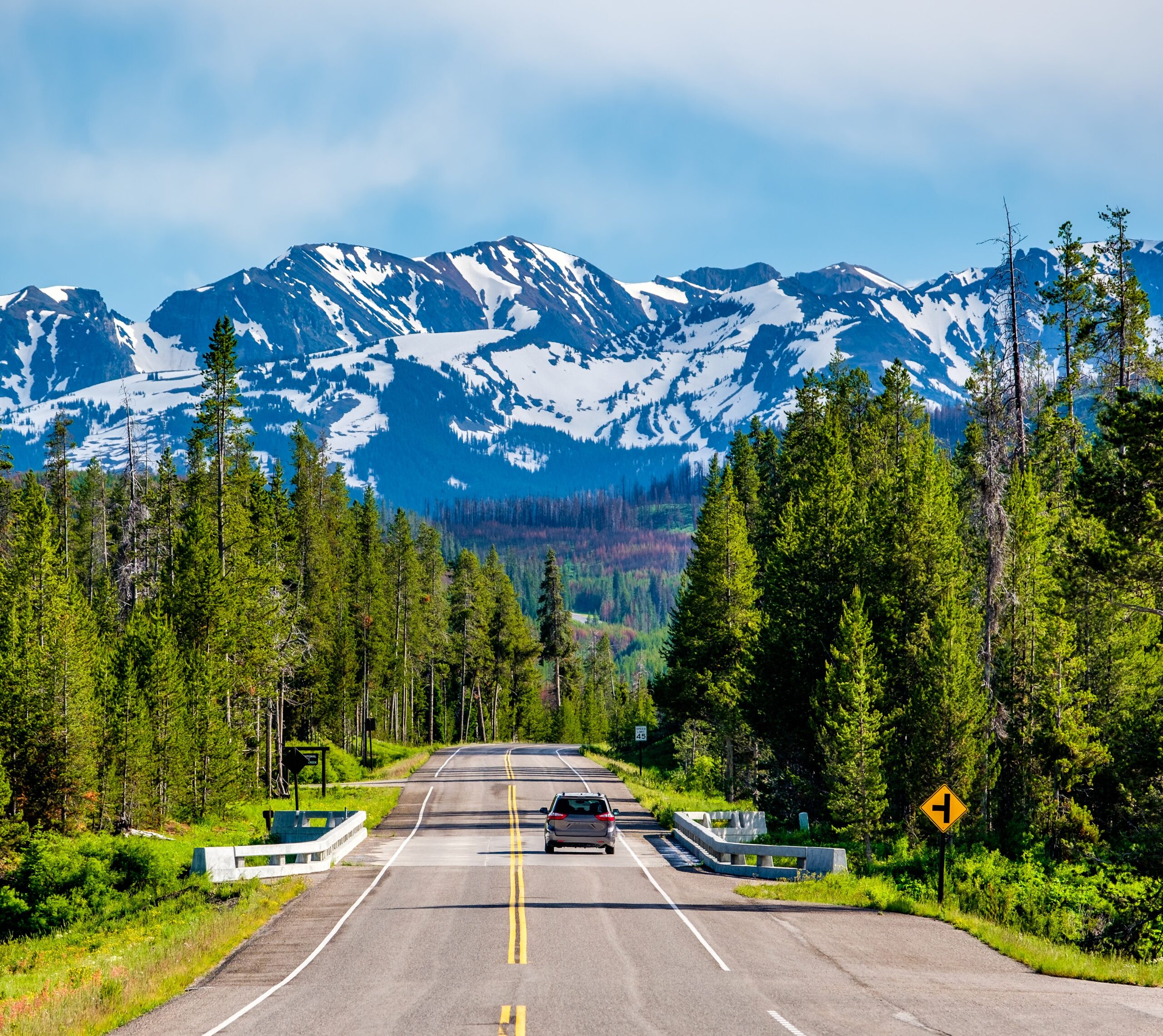
The Blue Ridge Mountains don’t shout for attention; they hum. Wind through the trees. Creeks skipping over rocks. Quiet trails lead to vistas that seem endless. Shenandoah isn’t a park you rush through. It’s one you settle into.
But this peaceful stretch of Skyline Drive hasn’t always been so serene. Long before paved roads and pullouts, this land was home to the Siouan-speaking Manahoac and Iroquoian tribes. Then came European settlers, Civil War troops, and Depression-era workers who helped build the national park we know today, sometimes at significant cost.
Why drive to Shenandoah?
Because you’re tracing a ridge that holds stories in every bend. Because wildflowers still line old homesteads. Because you might spot a black bear strolling across the road. And because sometimes, the best way to feel grounded is to climb a mountain.
Your self-guided audio tour syncs automatically as you drive, offering history, local legends, and trail tips without needing cell service. It’s your private guide to Virginia’s most iconic road trip.
Here’s a glimpse of what’s ahead:
Fox Hollow Trail, where an old cemetery sits quietly under the trees
Signal Knob Overlook, once a Civil War lookout
Stony Man and Limberlost, two easy hikes with big views
Crescent Rock, Point Overlook, and Calf Mountain, each a photo-op waiting to happen
The challenging Bearfence Mountain Trail, for those chasing ridgeline scrambles
And waterfalls like South River Falls tucked deep in the forest
Quick heads-up:
Skyline Drive has 75 overlooks. Don’t try to hit them all; stop when it feels right. Bring pie from a roadside farm stand. It’s part of the experience.
Download the Shenandoah National Park Trip Planner for more details on how to reach the park, must-see stops, best places to stay, when to visit, activities to do, packing tips, and more!
Want all of our tours? Upgrade to Action+:
- An annual $99.99/year subscription offers access to over 200+ tours.
- Unlimited use throughout the year.
- Includes free access to new tours as they are released.
Nearby Tours

 Walking
 30+ Stories
 1 - 2 Hrs
 Walking
15+ Stories
1 - 2 Hrs
Walking
15+ Stories
1 - 2 Hrs

 Driving
69 Stories
2 - 3 Hrs
Driving
69 Stories
2 - 3 Hrs
 Walking
45+ Stories
1 - 2 Hrs
Walking
45+ Stories
1 - 2 Hrs
 Driving
20+ Stories
1 - 2 Hrs
Driving
20+ Stories
1 - 2 Hrs
Shenandoah National Park Map


Where To Start?
Front Royal to Afton: Shenandoah Nat’l Park Sign, Virginia 22630
How Does It Work?
- Once you book a tour, you’ll get a text/email with instructions.
- Download the app (while in good Wi-Fi/signal) and use your unique password to access your tours. If multiple versions or entry points are available for your tour, be sure to download all the audio guides.
- Audio Setup: Connect your phone to the car stereo via Bluetooth, USB, or Aux, and bring headphones on walking tours. CarPlay and Android Auto are currently not supported; we’re working toward a solution with Apple.
- To begin touring, go to the starting point and launch the app.
- The audio starts automatically once you reach the starting point. Stick to the tour route and speed limit for the best experience.
- Please note that no one will meet you at the starting point.
Shenandoah Tour Audio Tour Stops
Things to do on the Tour Include:
-
Welcome to Shenandoah: North Skyline Drive
-
Shenandoah Valley Overlook
-
Fox Hollow Trail & Cemetery
-
Dickey Ridge Visitor Center
-
Signal Knob Overlook
-
Skyline Drive
-
Prehistoric Human Inhabitants
-
Red, Yellow, and Orange
-
A Celestial Bear Hunt
-
Hogwallow Flats Overlook
-
The Six Nations
-
Range View Overlook
-
The Appalachian Trail
-
The Iroquois
-
Hogback Overlook
-
Lacrosse, the Little Brother of War
-
Famous Iroquois
-
The Iroquois Wars
-
Neighbor Mountain Trail
-
European Arrival in Shenandoah
-
Early European Settlers
-
The Iroquois Today
-
Iroquois Mythology
-
The Pleiades
-
The Flying Head
-
Stony Man Mountain Overlook And Trail
-
Limberlost Trailhead
-
Crescent Rock Overlook
-
Cedar Run Trail
-
Establishing the National Park
-
Spitler Knoll Overlook
-
Franklin Cliffs Overlook
-
Dark Hollow Falls Trail and Falls
-
Rapidan Camp
-
Building the Park
-
Wilderness By Design
-
The Point Overlook
-
Bearfence Mountain Trailhead
-
Why "Blue Ridge"?
-
The Oaks Overlook
-
Miriam M. Sizer
-
South River Falls Trail
-
Segregation in Shenandoah
-
Shenandoah and the Civil War
-
Rockytop Overlook
-
Frazier Discovery Trail
-
Doyles River Cabin
-
PATC Cabins
-
Jones Run Falls Trailhead
-
Blackrock Summit Trail
-
Geology of Shenandoah
-
Moonshine in Shenandoah
-
Moormans River Overlook
-
Crimora Lake Overlook
-
Pocosin Mission
-
Calf Mountain Overlook
-
Rockfish Gap
-
The Paul Revere of the South
-
An Unbothered Jefferson
-
Conclusion
Preview The Tour
Tour FAQs
Shenandoah National Park is probably best known for the breathtaking Skyline Drive. This scenic route features countless amazing vistas overlooking the lush Appalachian mountains, as well as more than a few great hiking trails.
There’s really not a bad time to visit Shenandoah, but it’s hard to beat either the summer or the fall. From late spring to early summer, the mountains are drenched in green as far as the eye can see. In the fall, all that green turns to brilliant shades of red, orange, and yellow.
Without a doubt! Shenandoah National Park is among the easiest national parks to visit and boasts some of America’s most gorgeous wilderness. Read more about this in our blog.
Shenandoah’s Skyline Drive starts by Front Royal, Virginia and ends near Afton, Virginia. Along the way it passes plenty of other small towns, like Luray and Sperryville. Read more about location in our blog post.
Shenandoah does get snow, but it’s a pretty manageable amount. The park averages between 9 and 27 inches of snow each year.
While there have been some mountain lion sightings in Shenandoah National Park, these are few and far between. In general, mountain lions aren’t known to spend much time in the park, especially around Skyline Drive.
Sightseeing, hiking, and picnicking are the main activities in Shenandoah National Park. With so much lush wilderness around, it’s a nature-lover’s dream!
Shenandoah National Park was one of President Herbert Hoover’s favorite vacation spots. He liked it so much he established a permanent camp here in 1929, which he called Rapidan Camp.
Some folks simply call Shenandoah Valley “the Big Valley.” Given that it stretches across about 200 miles, it makes sense! As for the park rangers, they often call this park “the Shennies.”
Shenandoah National Park is open 24/7, barring inclement weather. There may not be rangers on duty in the dead of night, but you can enter at any time!
Shenandoah National Park was created to preserve and protect one of the oldest landscapes on Earth. These mountains formed almost 500 million years ago and the park service couldn’t allow logging and mining to ruin them.
Pets are allowed into Shenandoah National Park, but should be kept on a leash near the road. Most trails allow dogs, but not all, so be sure to check trail signs before bringing your furry friends along.
Explore 200+ Tours
Inclusions and Exclusions
 App on your phone: A link to download the Action Tour Guide App and Password for your tours.
Easy to use: Stories play automatically via GPS, hands‑free.
Flexible schedule: Use any day, any time. Tours are valid forever.
Interactive audio stories: Experience local history and culture through clear, concise narratives from experienced narrators.
At your own pace: No group. Take breaks for photos, snacks, hikes. Go at your own pace.
Offline use: No cell signal or Wi-Fi required. Offline GPS Map & route. Stop-to-stop direction.
Don’t miss a thing: Enjoy a full itinerary, get travel tips, hear narrated guides, and see hidden gems.
App on your phone: A link to download the Action Tour Guide App and Password for your tours.
Easy to use: Stories play automatically via GPS, hands‑free.
Flexible schedule: Use any day, any time. Tours are valid forever.
Interactive audio stories: Experience local history and culture through clear, concise narratives from experienced narrators.
At your own pace: No group. Take breaks for photos, snacks, hikes. Go at your own pace.
Offline use: No cell signal or Wi-Fi required. Offline GPS Map & route. Stop-to-stop direction.
Don’t miss a thing: Enjoy a full itinerary, get travel tips, hear narrated guides, and see hidden gems.
 Transportation, parking fees, food, and drinks.
Entry tickets or reservations for any attractions along the route.
Car Rental: Please arrange a rental car at the closest airport or train station.
Transportation, parking fees, food, and drinks.
Entry tickets or reservations for any attractions along the route.
Car Rental: Please arrange a rental car at the closest airport or train station.