
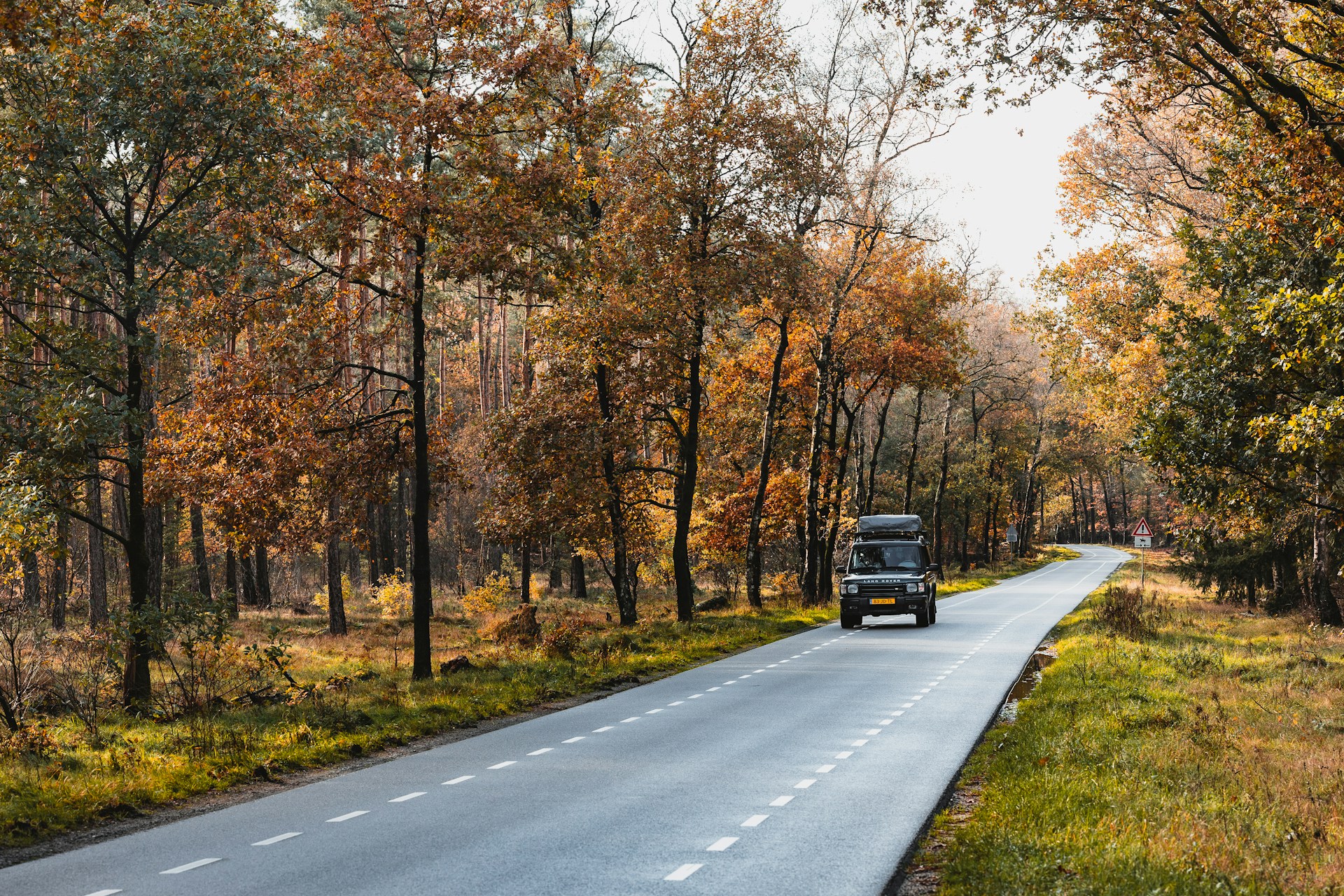
A national park road trip in late winter or early spring can feel like a secret you are glad to know. The roads are quieter, the air is crisp, and the views often come with a dusting of snow or patches of bright new green. You get the wide-open spaces without the heavy summer crowds, which changes the whole mood of the drive.
Self-guided driving tours turn that quiet road into a story. With GPS audio playing through your car, you hear about the land, the people, and the wildlife right as you pass each spot. Instead of staring at a guidebook or fumbling with maps, you just follow the road and let the stories come to you.
At Action Tour Guide, we build tours that you download to your phone before you go. Your GPS triggers audio as you drive, so you hear the right story in the right place, even if you lose signal. There is no set schedule, no group to keep up with, and you can go as fast or as slow as you like. In this article, we will walk through how to plan a national park road trip around self-guided driving tours, from choosing parks and routes to tech prep and making the most of each stop.

Choosing the Right Parks and Routes for Your Road Trip
First, decide how far you actually want to drive. Long days in the car can be tiring, especially when roads may be icy or wet. It helps to start with a rough radius from your home or arrival airport, then see which parks fit inside that circle.
Some good types of parks for late winter or early spring are:
• Lower elevation parks that stay warmer
• Desert parks where cooler temps feel pleasant
• Coastal drives where snow is rare
• Scenic drives known to be ploughed or open most of the year
Next, match those parks with self-guided driving tours. Look for tours that cover:
• The main scenic drive inside the park
• Popular viewpoints and pullouts
• Any connecting roads between big sights
That way, most of your time behind the wheel has helpful narration and turn-by-turn guidance.
When you lay out the route, try to build a loop instead of a simple out-and-back. Start and end at a major airport or your home city, then link nearby parks so you are not criss-crossing the map. Check:
• Estimated daily driving time
• Seasonal road closures on park websites
• Snow or ice warnings on mountain passes
• Sunrise and sunset times so you are not driving tricky roads in the dark
A little planning now makes the whole trip feel more relaxed later.
Building a Flexible Itinerary Around Self-Guided Driving Tours
Self-guided driving tours work best as the backbone of your day, not the whole day. Think of the audio route as a main thread you weave other stops around.
A simple daily structure could look like this:
• Sunrise at an easy overlook near where you slept
• Late morning drive using your GPS audio tour along the main park road
• Afternoon break for a hike, short walk, or picnic
• Late-day return to a scenic point for sunset or stargazing
Because the tour is on your phone, you have full control. You can pause the narration when you spot wildlife or see a photo-worthy view, then hit play when you get moving again. If you want to repeat a favourite section, you can. If you detour down a side road to a trailhead, the tour will pick back up when you return to the main route.
It also helps to leave more space in your schedule than you think you need. Winter and early spring can bring:
• Slower driving on icy or wet roads
• Temporary closures of car parks or viewpoints
• Moments when you just want to sit and soak in the view
If you build in buffer time, you are free to enjoy the stories and scenes without rushing from one stop to the next.
Tech Prep and On-the-Road Essentials for GPS Audio Tours
Good tech prep keeps your trip smooth, especially in remote national parks where phone signal can vanish quickly. Before you leave a strong Wi-Fi area, make sure you:
• Download your GPS audio tours in full
• Save offline maps for your main route and backup roads
• Update your phone system and map apps if needed
Inside the car, a simple set-up makes all the difference. We suggest:
• A sturdy phone mount, so you can glance at the screen without holding it
• A charging cable plus a spare, and a power bank as backup
• Audio connected by Bluetooth or an auxiliary cable so everyone can hear the narration clearly
To save battery and data, you can use airplane mode while keeping GPS on. Lowering your screen brightness and closing extra apps helps too. You can also preload music or podcasts so you are covered on long stretches between parks.
Since we are talking about late winter and early spring, it is smart to think about safety as well. Keep in your car:
• Warm layers, hats, and gloves for each person
• Water and snacks
• A torch, blanket, and basic first-aid items
Check park alerts and weather on your phone each morning before you start a long, narrated drive. If a road is closed or conditions change, you can tweak your plan while still enjoying the tour on open sections.
Making the Most of Storytelling, Stops and Scenic Moments
One of the best parts of self-guided driving tours is the storytelling. As the GPS triggers each point, you hear about geology, wildlife, and human history linked to the land you are looking at. Try treating the narration like a friendly guide riding along with you.
To get more from each stop, line up your breaks with points of interest mentioned in the audio. When the tour calls out:
• A viewpoint or overlook
• A short walk to a feature
• A picnic area with a good angle on the landscape
Use that as a cue to pull over safely, stretch your legs, and actually feel the place, not just see it through the windscreen.
Winter and early spring bring their own special touches. You might notice:
• Animal tracks in snow or mud near car parks and trailheads
• Crisper, clearer skies for stargazing after early sunsets
• Soft, low-angle light that makes cliffs, trees, and snowfields glow
These are great times for photos, quiet reflection, or just breathing the cold air and listening to the silence.
Many travelers also like to jot down a few notes at the end of each day. You might record:
• Favourite viewpoints or stops from the tour
• Short quotes or facts that stuck with you
• Places you want to return to in another season
Later, those notes help you retrace your route, plan a return trip, or share your best tips with friends.
Start Mapping Your Self-Guided National Park Escape
Building a road trip around self-guided driving tours means you keep the freedom of solo travel while still getting rich stories and clear directions. You are not tied to group timetables, you do not need mobile signal for the audio to play, and you can shape each day to match your energy and the weather.
From our base at Action Tour Guide, we have seen how powerful that mix of independence and guidance can be. A good starting point is to choose a late winter or early spring window that fits your life, pick two or three parks that feel realistic for your driving style, then look for tours that match their main scenic roads. Once you have your first tour downloaded and a simple loop sketched on a map, your national park road trip stops being a vague dream and starts feeling real. With your GPS audio ready before you turn the key, you can keep your eyes on the mountains, canyons, and coastlines ahead, not down at a guidebook.
Turn Every Drive Into A Flexible, Stress-Free Adventure
Discover how easy it is to explore at your own pace with our curated self-guided driving tours. At Action Tour Guide, we give you turn-by-turn directions, engaging stories and local insights so you can focus on the journey, not the logistics. Choose the destinations that excite you most, start whenever you like and pause as often as you please. Let us be your companion on the road and make your next drive your most memorable yet.


